
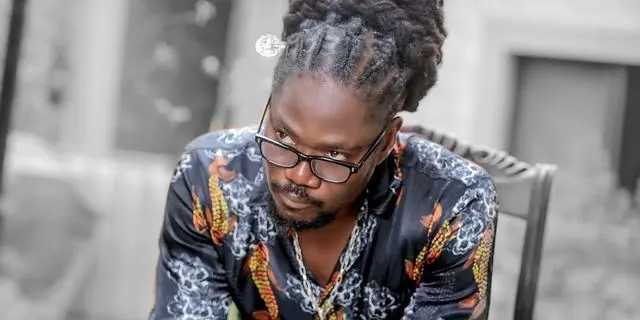
To understand Daddy Showkey, you have to understand Ajegunle. The Lagos neighborhood known as “AJ City” is one of the most densely populated urban communities in West Africa — a place of immense creative energy and equally immense hardship. It was there that Daddy Showkey grew up, where he developed his distinct brand of Nigerian reggae-dancehall, and where he built a music career that made him one of the most beloved artists of Nigeria’s 1990s and early 2000s entertainment era. His story is, in many ways, the story of a community finding its voice.
Daddy Showkey Biography
| Full Name | John Asiemo |
|---|---|
| Stage Name | Daddy Showkey |
| Date of Birth | August 13, 1969 |
| Place of Birth | Ajegunle, Lagos, Nigeria |
| Nationality | Nigerian |
| Ethnicity | Ijaw |
| Occupation | Musician, Singer, Performer |
| Genre | Reggae, Dancehall, Afropop |
| Known For | “Galala” music, “Ajegunle to the World” anthem, 1990s Nigerian dancehall |
| Religion | Christian |
Early Life and Background
John Asiemo was born on August 13, 1969, in the Ajegunle district of Lagos, Nigeria. Ajegunle is a waterfront community that, despite its reputation for crime and poverty in popular media portrayals, has also produced a remarkable number of Nigeria’s most successful entertainers, athletes, and entrepreneurs. Growing up there was simultaneously a trial and an education.
His family was of Ijaw origin — the Ijaw people are one of the major ethnic groups of the Niger Delta, known for their vibrant cultural traditions including music, dance, and oral storytelling. This heritage, blended with the cosmopolitan Lagos environment of Ajegunle, gave the young John Asiemo an eclectic cultural foundation.
Life in Ajegunle was not easy. Resources were scarce, and many young men from the neighborhood found themselves navigating difficult choices. For Asiemo, music became both an escape and a calling. He was drawn to the reggae sounds of Jamaica — particularly the dancehall wave of the 1980s — and began performing at local events and youth gatherings, steadily building a name for himself in the neighborhood circuit.
Career Journey: Building an Icon from the Ground Up
Early Hustle and Local Recognition
Before any recording contract or national fame, Daddy Showkey spent years performing at street parties, clubs, and shows across Ajegunle and the wider Lagos area. He developed his stage craft through constant live performance, learning to hold crowds and command stages that had no production budget and no second chances.
His breakthrough came with the development of a dance music style he called “galala” — a high-energy blend of reggae, dancehall, and local Lagos rhythms that was designed for the streets as much as for the club. Galala had a raw, communal energy to it; it was music that could be danced to at a crossroads in Ajegunle just as easily as in a Lagos nightclub.
Rise to National Fame in the 1990s
By the mid-1990s, Daddy Showkey had become one of the most recognizable names in Nigerian entertainment. His albums from this period connected with a mass Nigerian audience hungry for home-grown dancehall that reflected their reality. He was signed and released projects that dominated radio and television airplay, with his music videos becoming staples on music channels.
His anthem for Ajegunle — which in various forms declared the neighborhood’s pride and significance — resonated far beyond Lagos. It spoke to everyone in Nigeria who came from a place the wider world overlooked. He made the forgotten visible, and the dismissed dignified.
Songs from his catalogue, including tracks that became associated with galala dancing, were played at weddings, parties, and community gatherings across Nigeria. His live shows were notoriously electric, characterized by enormous energy, call-and-response engagement with crowds, and a genuine physical dynamism.
Later Career and Continued Relevance
While the intense chart dominance of the 1990s gave way to newer sounds in Nigerian music during the 2000s, Daddy Showkey maintained a strong presence in the industry. He continued recording and performing, adapting his sound where necessary while retaining the core galala energy that made him famous. He also became a voice for Ajegunle in public discourse, speaking about the need for greater investment in marginalized urban communities.
He has been involved in various philanthropic and community development efforts related to Ajegunle, using his platform to advocate for his home community on multiple occasions.
Legacy and Cultural Impact
Daddy Showkey’s most significant contribution is arguably cultural rather than purely musical. He gave Ajegunle an international artistic identity. By declaring the neighborhood’s name on records that were sold and played across Nigeria and among diaspora communities, he transformed a stigmatized place into a source of pride. That kind of cultural work — turning a disadvantaged community’s story into something celebrated — is rare and genuinely valuable.
His galala genre also demonstrated that Nigerian street culture could produce internationally resonant music without imitating American or European forms. It was distinctly Nigerian, distinctly Lagos, and distinctly Ajegunle.
Personal Life
Daddy Showkey is known to be a family man. He is married and has children, and throughout his career has balanced his public persona with a relatively grounded private life. He has spoken in interviews about the importance of family stability and his responsibility as a father and husband. His Christian faith has also been a noted part of his personal identity, informing some of the values he expresses both in his personal life and his public engagements.
Net Worth
An exact figure for Daddy Showkey’s net worth has not been publicly confirmed. His earnings have come from album sales, live performances, endorsements, and ongoing music-related activities spanning multiple decades. Given his sustained career and iconic status in Nigerian entertainment, he is widely regarded as having built a comfortable financial position, though he has never publicly shared specific figures.
Conclusion
Daddy Showkey is one of those artists whose significance cannot be measured in chart positions alone. He gave a community its voice, created a music genre that was entirely his own, and built a career through relentless hard work in one of Nigeria’s most challenging environments. Decades after his peak commercial period, his music still plays at Nigerian parties — and Ajegunle still carries the imprint of his pride. That is not a small thing.
Frequently Asked Questions (FAQs)
What is Daddy Showkey’s real name?
His real name is John Asiemo. He adopted the stage name Daddy Showkey early in his career.
Where is Daddy Showkey from?
He was born and raised in Ajegunle, Lagos, Nigeria, and is of Ijaw ethnic heritage.
What is galala music?
Galala is a dance music genre pioneered by Daddy Showkey that blends Jamaican reggae and dancehall with Lagos street rhythms, creating an energetic, community-focused style of Nigerian popular music.
Is Daddy Showkey still making music?
Yes. Daddy Showkey has remained active in the Nigerian music scene, continuing to perform and record well into the 2020s.
What is Daddy Showkey’s most famous song?
He is best known for his galala anthems and his celebrated declaration of Ajegunle pride through music. Specific popular tracks include his dancehall hits from the mid-to-late 1990s that dominated Nigerian airwaves.
Disclaimer: Content in this biography is derived from publicly accessible sources and is shared for general awareness. The publisher assumes no responsibility for errors, omissions, or outdated information that may be present.
Leave a Reply